NZSG IBD Symposium 2026
The 2026 NZSG IBD Symposium brought together gastroenterologists, IBD nurses, researchers and trainees in Wellington for two days focused firmly on where IBD care is heading.
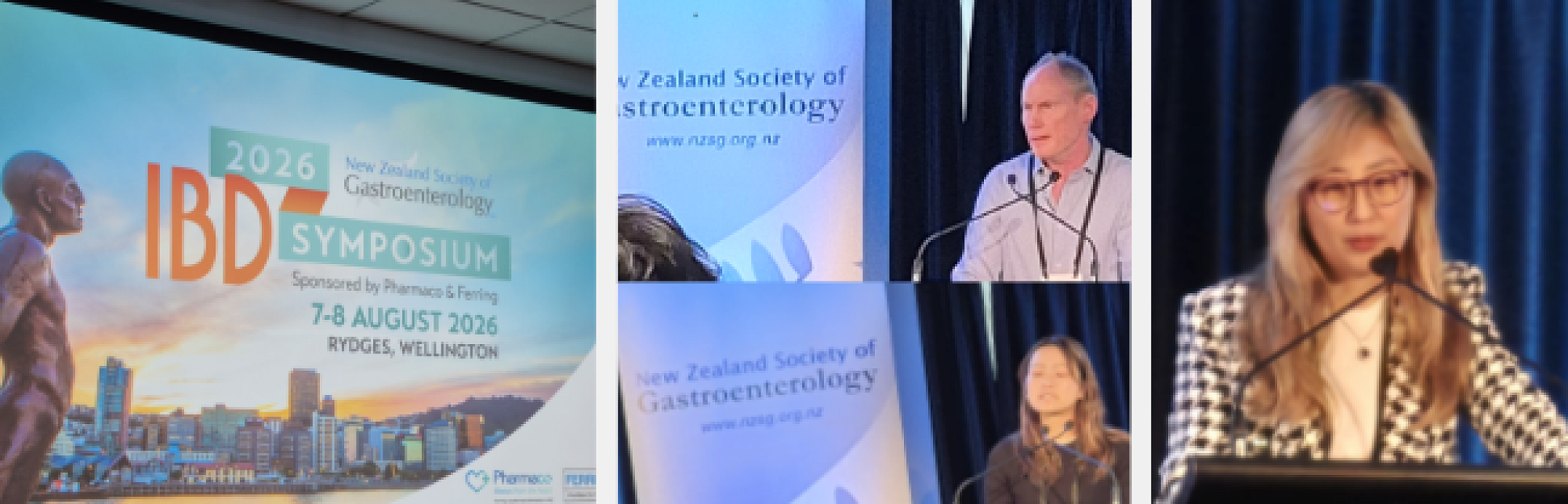
The programme was built around four themed sessions, each beginning with a clinical case and ending in discussion, allowing us to move between science, clinical practice and the challenges of delivering increasingly sophisticated care.
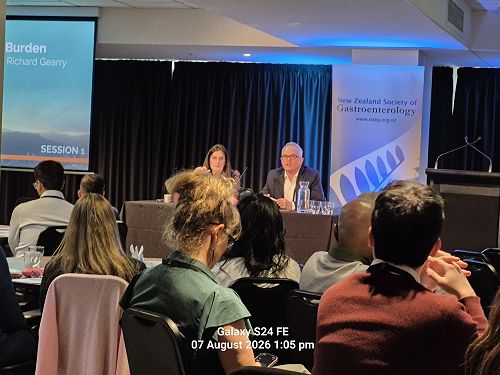
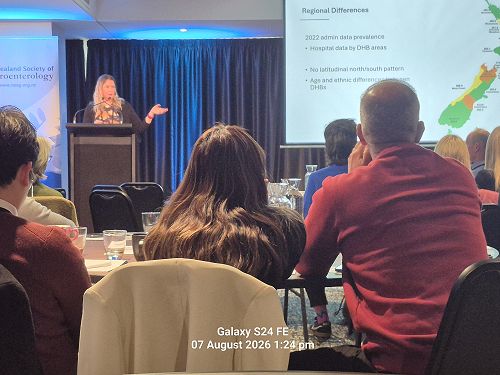
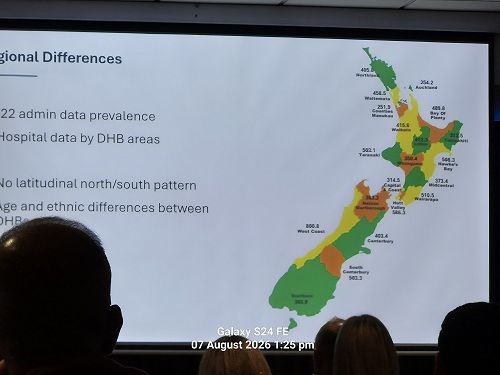
Friday opened with Epidemiology and Future Burden. Angela Forbes set the scene superbly with the changing epidemiology of IBD in New Zealand, before Emily Wright turned the focus towards solutions and how services will need to evolve to meet increasing demand. Jacqui Stone completed the picture with the changing role of IBD nursing and opportunities for workforce innovation. Particular credit goes to Heidi Chen, who somehow managed to find an epidemiology case – something I had previously doubted could exist.
The afternoon moved from population health to basic science with Gut Barrier – From Mechanism to Repair. Tom Mules, Jeffry Tang and Jakob Begun delivered a heavy-hitting session showcasing outstanding translational research from New Zealand and Australia. The science was substantial, but importantly linked back to real-world IBD, leaving a strong sense of “watch this space” for future clinical approaches based on manipulating the mucosa, microbiome and epithelial barrier.
Dinner at Parliament provided a change of pace. Caroline Jiang, stepping into the debate at very short notice, transformed herself into Green MP “Caroline Swarbut” to argue that ever more ambitious treatment targets risk overtreating IBD. She narrowly pipped Miles Sparrow, appearing for New Zealand First as “Miles Peters”, in a spirited parliamentary debate that generated plenty of audience participation, heckling and laughter.
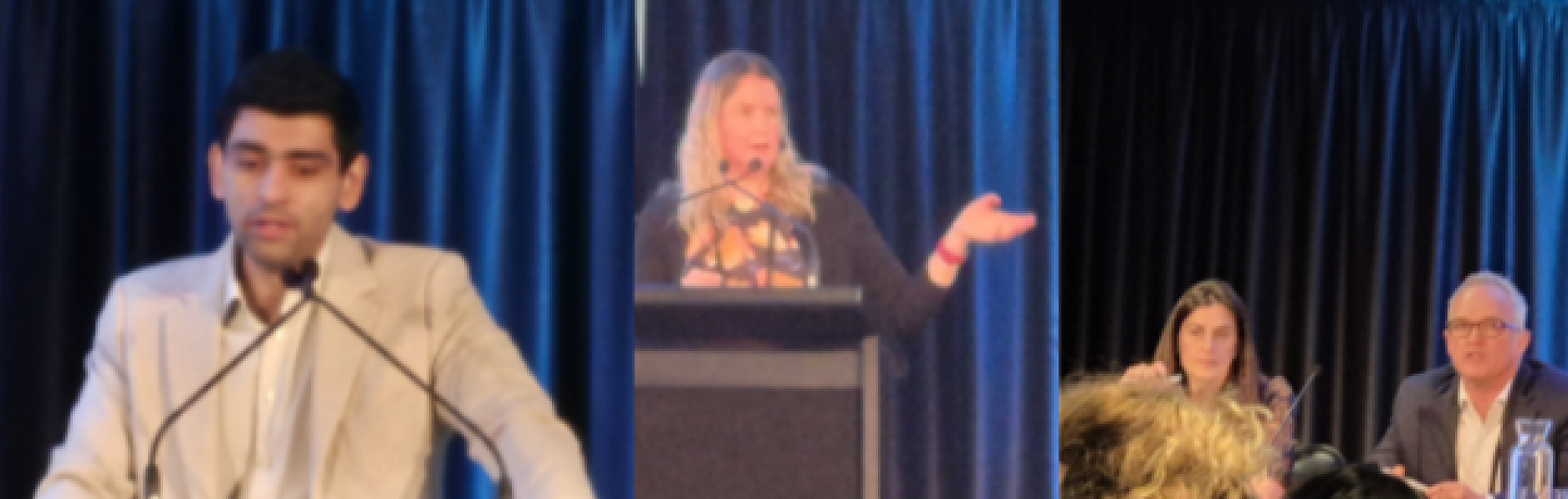
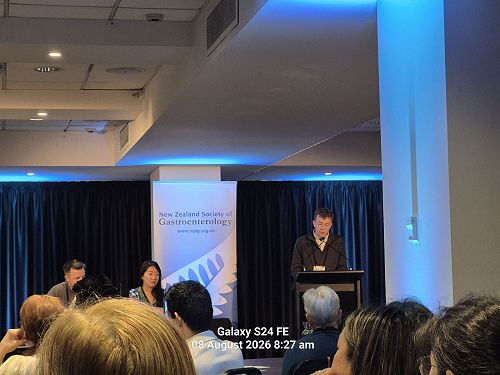
Saturday began with a masterclass in Non-Invasive Monitoring. Akhilesh Swaminathan brought remarkable expertise in faecal calprotectin and biomarkers, extended by Yoon An’s excellent exploration of intestinal ultrasound and the memorable concept of “CalproSound”. Melissa Haines then brought the technologies together with a pragmatic look at how ultrasound, cross-sectional imaging, capsule endoscopy and colonoscopy might coexist in the future of diagnosis and monitoring.
The final session belonged to Miles Sparrow, whose keynote offered a compelling vision of the future of IBD therapeutics: from optimising and sequencing current advanced therapies through subcutaneous infliximab and vedolizumab to emerging mechanisms and advanced combination therapy. An extended case forum with a large expert panel brought the symposium back to the difficult decisions we face in everyday practice.
The feedback suggests the format worked. Of 46 respondents, 89% rated the symposium “excellent”, 93% felt the clinical content met their needs and 91% reported increased IBD knowledge. Just as importantly, comments repeatedly highlighted the speakers, panel discussions, cases, collegiality, nursing involvement and mix of local and international perspectives.
We are extremely grateful to Ferring and Pharmaco for their generous support of this important educational event. The challenge now is what we do next. Suggestions ranged from extraintestinal manifestations, diet and multidisciplinary care to national clinical pathways, de-escalation, complex IBD and further nurse-led initiatives. There should be plenty to talk about next time.
Stephen Inns for the organising committee
Gallery
Related Articles
NZSG Polypectomy, Resection and Innovative Mucosal/ESD (PRIME) Symposium and hands-on course
The First choice in advanced endoscopic trainingSave the date now. 18 February 2027 for the educational day open to all....
Join Dr Rob Knight on 17 November 2026 @ 5:30pm for - The Shrinking World Inside You
Your gut is home to trillions of living things. Together they form an ecosystem as rich as a rainforest, and they do far...